Hook: Cutting Through the Noise
Artificial intelligence is advancing at an undeniable pace. At the same time, public conversation around it has become louder, more emotional, and often less accurate.
Every major technological shift attracts extreme predictions, and AI is no exception. Some voices frame it as a total replacement for human labor. Others imagine centralized control systems that reshape society overnight. A few go even further, suggesting intelligence itself is about to escape human boundaries.
These ideas are compelling, but they are distractions.
They focus on spectacle rather than structure.
They prioritize fear over function.
What is actually unfolding is far more grounded — and far more influential in daily life.
AI is not transforming the world through dramatic takeover scenarios. It is reshaping how systems operate, how tools connect, and how decisions are supported. The change is incremental, infrastructural, and largely invisible unless you know where to look.
The Shift Most People Miss
The most important evolution in AI is not autonomy.
It is integration.
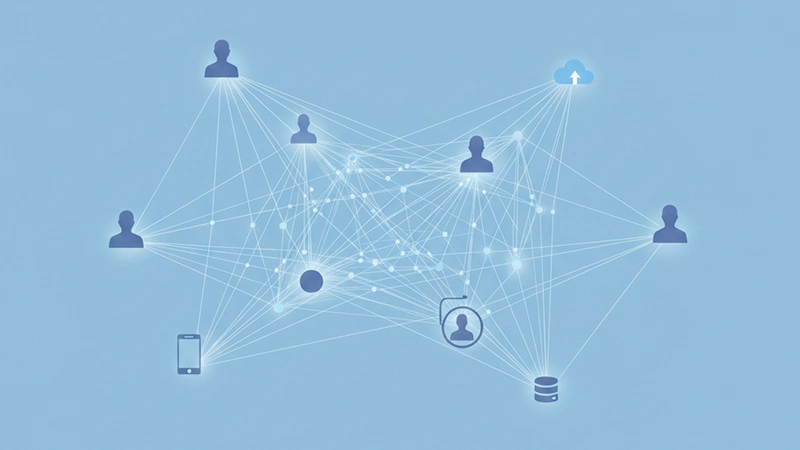
AI is not becoming a sci-fi antagonist. It is becoming a foundational layer within existing systems, much like databases, networks, or operating systems did in earlier decades. Its value comes from coordination, not control.
In practical terms, AI is evolving into:
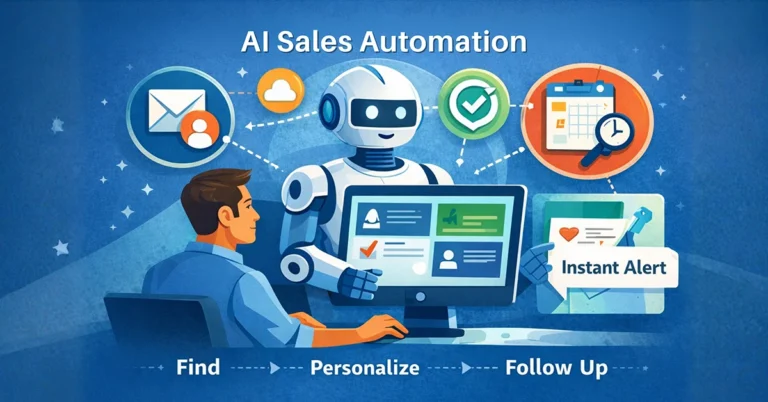
- An automation layer that absorbs repetitive effort
- A universal interface between humans and complex software
- A contextual assistant that interprets intent rather than commands
- A productivity multiplier that reduces cognitive overhead
This distinction matters because infrastructure rarely announces itself. It simply works — and once it does, everything built on top of it changes.
The next decade of AI is best understood through this lens: coordination over domination.
With that foundation, the timeline ahead becomes far more predictable.
2025: Interaction Replaces Navigation
By the mid-2020s, AI assistants stop feeling like experimental tools. They become the primary way people interact with software.
Traditional interfaces require users to adapt to systems — learning menus, settings, and workflows designed around features. AI reverses that relationship. Users describe what they want, and systems determine how to deliver it.
Search bars, nested menus, and complex dashboards gradually lose relevance. Instead of navigating software, people communicate intent.
This doesn’t feel revolutionary. It feels efficient.
The interface fades into the background while outcomes take priority.
2026: Digital Organization Becomes Automatic
As AI systems mature, they begin handling the invisible work of digital life.
Calendars become adaptive rather than static. Files are grouped by context instead of folder names. Messages are drafted proactively based on ongoing projects and past behavior.
This is not intelligence in a dramatic sense. It is alignment — systems learning how individuals work and adjusting accordingly.
The benefit is subtle but powerful: fewer decisions, fewer interruptions, and less mental friction throughout the day.
2027: AI as an Invisible Layer
By this stage, AI no longer feels like a product you actively use.
It becomes background infrastructure.
Systems coordinate with each other quietly. Tasks are handled before they escalate into problems. Reminders arrive earlier, workflows become smoother, and handoffs between tools feel seamless.
This is a critical adoption threshold. Technologies become indispensable not when they impress users, but when users stop noticing them.
AI reaches that point here.
2028: Expansion Into Physical Systems
AI influence extends beyond digital environments and into real-world infrastructure.
Urban traffic systems become more adaptive. Energy distribution grows more efficient. Supply chains shift from reactive to predictive. Healthcare systems use pattern recognition to identify risks earlier, not just respond faster.
None of this looks like science fiction. There are no humanoid machines or autonomous cities.
Instead, systems become less wasteful, more responsive, and easier to manage at scale.
2029: Outcome-Driven Workflows
This is where the interaction model changes again.
Rather than breaking tasks into steps, people define outcomes. AI systems handle the coordination across tools, permissions, and services required to deliver results.
Planning a trip, organizing an event, or managing a multi-stage project becomes a single request rather than a checklist.
Human involvement shifts toward intention and evaluation, while execution happens largely in the background.
2030: AI Becomes Meaningfully Personal
By the start of the next decade, personalization moves beyond surface-level customization.
AI systems learn how individuals communicate, prioritize, and decide. They adapt over time, building long-term context rather than relying on short-term optimization.
This does not create dependency. It creates consistency.
The system behaves predictably because it understands patterns, not because it anticipates every request. Over time, it becomes a reliable extension of how a person works and thinks.
2031: Multimodal Understanding as the Standard
AI no longer treats information as fragmented.
Text, images, audio, video, and documents are interpreted together. Context flows across formats without manual translation.
A meeting recording can become a structured report. A diagram can be turned into an explanation. A document can be summarized, cross-referenced, and acted upon in a single step.
This collapses the distance between communication and execution.
2032: Structural Industry Change
By this point, AI’s impact is impossible to ignore.
Industries such as education, law, finance, customer service, logistics, marketing, and software development undergo structural change. Repetitive tasks are increasingly automated, while human roles shift toward supervision, strategy, and accountability.
Jobs do not disappear overnight. They evolve.
The center of value moves away from execution and toward judgment.
2033: Practical Robotics Enters Daily Life
Robotics reaches a phase of practical maturity.
Instead of general-purpose machines, task-specific robots become common in warehouses, delivery networks, assisted living environments, and maintenance roles.
These systems are designed for reliability and efficiency, not spectacle. They solve narrow problems well, which makes them economically viable.
Robotics complements AI by extending coordination into physical space.
2034–2035: AI as a Coordination Layer for Life
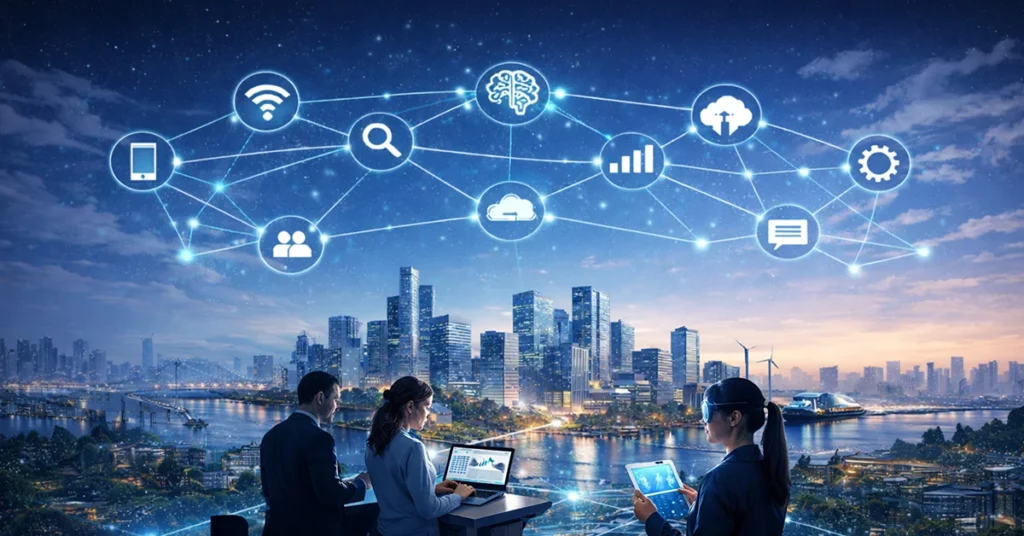
By the mid-2030s, AI functions as a unifying system across personal and professional domains.
It acts as planner, researcher, analyst, automation hub, and strategic assistant. Information flows through a consistent layer that understands long-term context and priorities.
This does not remove uncertainty or responsibility. It concentrates attention where human judgment matters most.
Execution becomes easier. Decisions become more deliberate.
The Bigger Picture
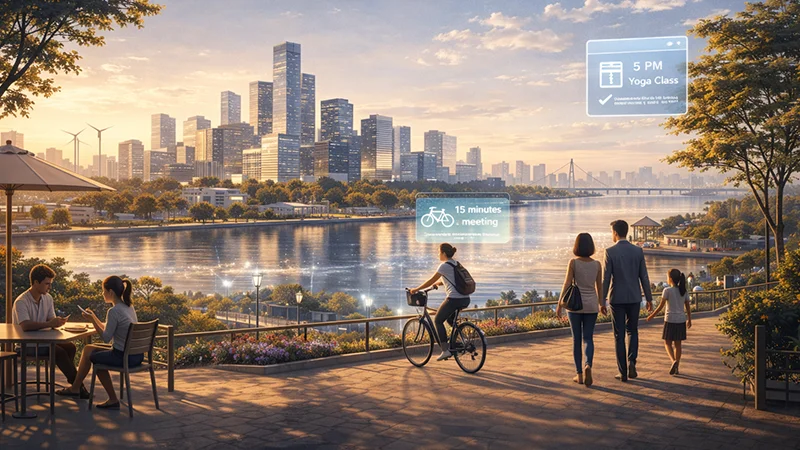
The next decade of AI is not defined by control, replacement, or disruption.
It is defined by integration.
AI becomes an invisible layer supporting decisions, workflows, and systems — quietly improving efficiency without demanding attention. Its success is measured by reliability, not visibility.
Progress here will feel gradual rather than dramatic.
That is exactly why it will endure.
FAQ
A1: AI is unlikely to replace most jobs outright. Instead, it will automate repetitive tasks within roles. Many professions will evolve, with humans focusing more on decision-making, creativity, and oversight while AI handles routine processes.
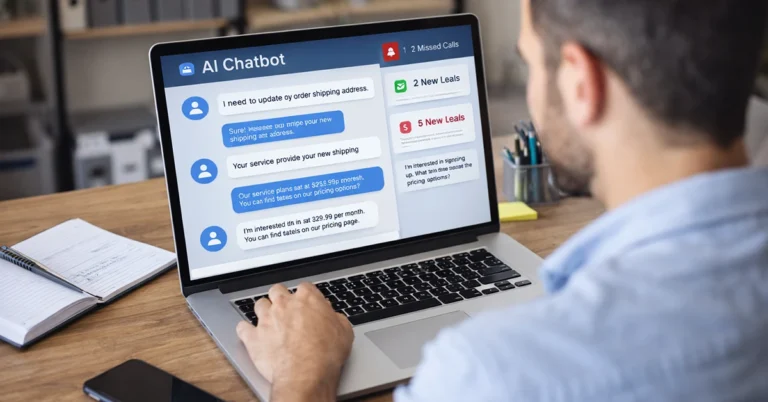
A2: AI will increasingly manage everyday digital tasks such as scheduling, communication, information retrieval, and coordination between apps. Rather than being noticeable, it will work quietly in the background to reduce friction and save time.
A3: Modern AI development is focused on controlled, task-specific systems rather than autonomous decision-makers. The next decade emphasizes reliability, alignment, and infrastructure-level integration, not independent or uncontrollable intelligence.
A4: Industries such as healthcare, education, finance, logistics, marketing, customer support, and software development will experience the most change. AI will streamline workflows, while humans supervise systems and handle complex judgment.
A5: AI as infrastructure means it operates like electricity or the internet—always available, rarely noticed, and deeply integrated. Instead of being a standalone tool, AI becomes the underlying layer that connects systems and supports decisions across daily life.