Have you ever dreamed of launching your own brand—seeing your designs on t-shirts, mugs, posters, or hoodies—but felt overwhelmed by inventory, shipping, or the startup cost?
Welcome to the world of Print-on-Demand (POD).
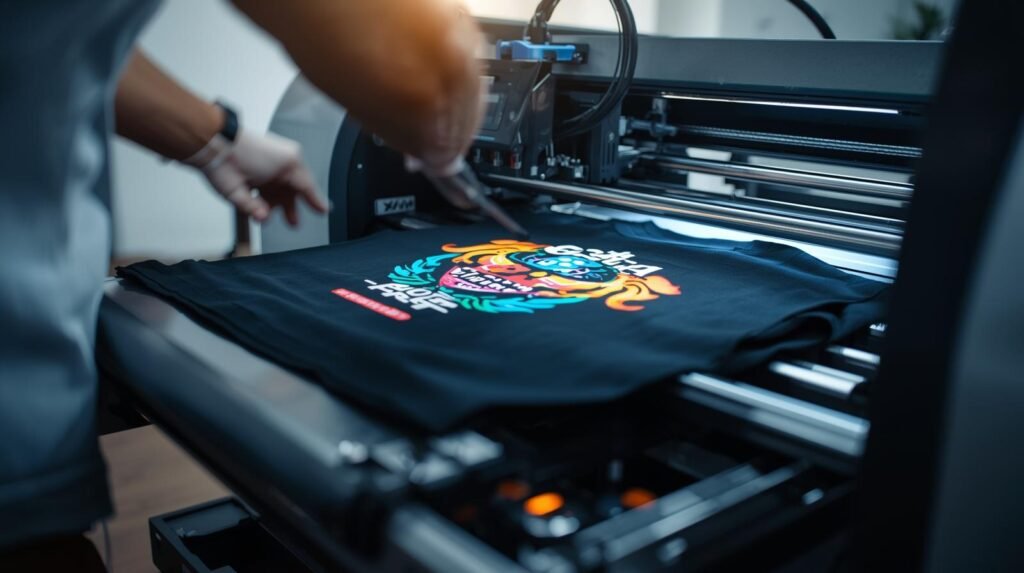
POD is a modern, low-risk gateway to entrepreneurship that blends creativity with technology—perfectly aligned with the spirit of Techo Hype. You don’t need a warehouse, you don’t need to buy products upfront, and you don’t need to handle shipping. All you need is an idea and the willingness to create.
Let’s break down your step-by-step blueprint to turn your spark of inspiration into a profitable print-on-demand business.
Step 1: Find Your Niche & Ignite Your Passion
Before opening your store or designing products, stop and think deeply about your niche.
The most successful POD stores don’t try to reach everyone. They speak directly to a specific audience.
Since your home base is Techo Hype, your niche might include:
- Tech enthusiasts
- App developers
- Gamers
- Cyberpunk and futuristic art fans
- Gadget lovers
- Retro-tech collectors
- Coding and software communities
A clear niche helps you:
- Create designs faster
- Build a strong brand identity
- Market with focus
- Attract loyal customers
When your products speak the language of your community, success follows naturally.
Step 2: Choose a Reliable POD Provider
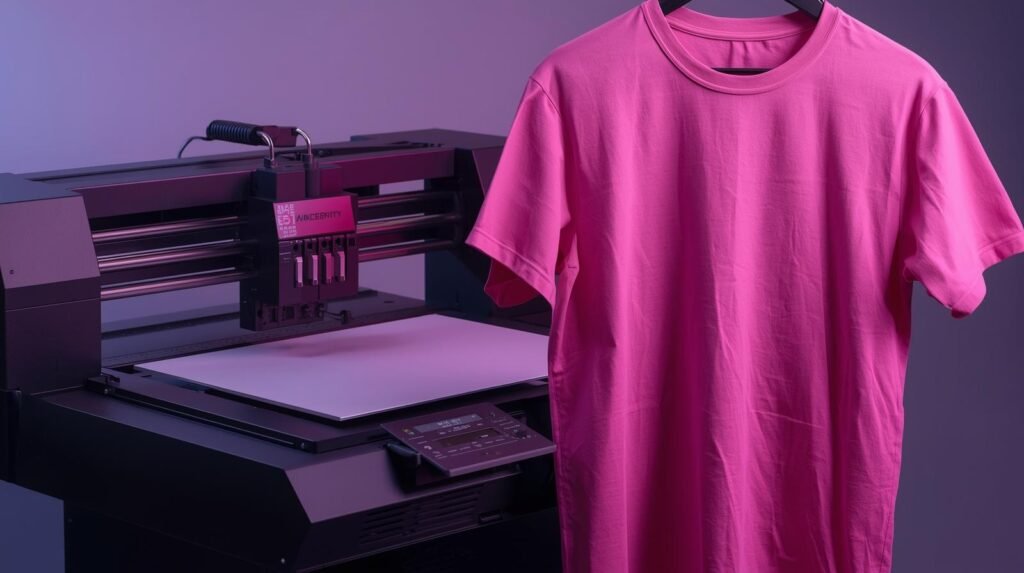
Your POD provider is the engine behind your business.
Top options include:
- Printful
- Printify
- Gooten
- AOP+
- Teelaunch
These companies handle:
- Printing
- Packaging
- Shipping
- Inventory
- Fulfillment
When a customer orders from your Techo Hype store, the provider produces and ships the item automatically, under your brand name.
Choose your provider based on:
- Product quality
- Print quality
- Shipping time
- Available product types
- Customer reviews
- Integration with Shopify, Etsy, or WooCommerce
Your provider will directly impact customer satisfaction—so choose wisely.
Step 3: Build Your E-Commerce Website
Your online store is your digital shopfront—the place where your brand comes alive.
Popular POD-friendly platforms include:
- Shopify (best all-in-one solution)
- WooCommerce (for WordPress users)
- Etsy (great for beginners, no website needed)
For Techo Hype, aim for a sleek, modern, tech-inspired design:
- Clean layout
- High-quality mockups
- Fast loading pages
- Simple, safe checkout
- Trust badges and social proof
A good website builds trust and boosts conversions.
🔗 Recommended Hosting for WordPress & WooCommerce
If you’re planning to build your online store using WordPress + WooCommerce, we highly recommend using Hostinger for fast, reliable, and budget-friendly hosting.
Use our Hostinger referral link to access an exclusive 20% discount on your hosting plan. It’s a simple way to support Techo Hype while choosing reliable hosting for your website.
Step 4: Let Your Creativity Shine – Design Your Products
This is the fun part—bringing your ideas to life!
Use tools like:
- Canva
- Adobe Illustrator
- Photoshop
- Procreate
- Figma
Focus on creating designs that resonate emotionally with your niche. For example, for tech fans:
- Funny coding jokes
- Retro gaming graphics
- Cyberpunk art
- Futuristic typography
- Device-inspired minimalism
Quality beats quantity.
A handful of strong, unique “Techo Hype-style” designs will outperform a store filled with generic artwork.
Pro Tip:
Always upload high-resolution graphics (300 DPI) for the best print quality.
Step 5: Master Product Listings & SEO
Even the best designs won’t sell if no one can find them.
SEO is your secret weapon.
For every product listing:
✔ Write a descriptive, keyword-rich title
✔ Add a detailed, engaging product description
✔ Use tags and keywords your audience might search for
✔ Include lifestyle images and mockups
Example:
Instead of:
❌ “Cool Tech Shirt”
Try:
✔ “Cyberpunk Tech T-Shirt for Programmers – Futuristic Neon Graphic Tee”
Google loves detailed, relevant listings. So do customers.
Step 6: Launch Your Store & Market with Authenticity
Launching your store is only the beginning.
Marketing is where growth happens.
Share your story:
- Why did you start Techo Hype?
- What inspires your designs?
- What makes your products unique?
Use platforms where your audience lives:
- Reddit tech communities
- YouTube shorts
- Facebook Groups
- TikTok tech creators
Marketing ideas:
- Show behind-the-scenes design videos
- Share polls to let people vote on designs
- Post tech-inspired memes
- Offer discount codes during launch week
- Collaborate with micro-influencers
Authenticity builds connection—and connection builds sales.
Step 7: Analyze, Adapt & Grow Continuously
Once you launch, your next job is to learn and evolve.
Use tools like:
- Google Analytics
- Shopify Insights
- Etsy Analytics
- Social media performance stats
Study:
- Which designs are getting clicks?
- Which products are selling the most?
- Where is your traffic coming from?
- What feedback are customers giving?
Be flexible. If your audience loves hoodies more than posters, shift your focus.
Success in POD is about listening, adjusting, and improving.
Important Tips for Long-Term Success
⭐ 1. Prioritize Quality
Order samples.
Feel the product.
Check the print.
Never sell something you wouldn’t proudly use.
⭐ 2. Be Transparent
Communicate clearly about shipping times, especially international orders.
Honesty = trust.
⭐ 3. Stay Consistent
Success takes patience.
Show up every week with new ideas, new posts, and improved designs.
Final Thoughts
Starting a print-on-demand business with Techo Hype is more than just selling products—it’s about creating a brand with identity, story, and passion. POD removes the traditional business barriers, allowing you to focus on creativity, connection, and community.
Your digital canvas is wide open.
Start designing and building.
Start growing your own brand.
The world is ready for the hype you’re about to create.
FAQ
A1: Print-on-demand (POD) is a business model where products like t-shirts, mugs, and posters are printed only after a customer places an order. You don’t manage inventory—your POD provider handles printing, packing, and shipping.
A2: Starting a POD business is low-cost. Most expenses come from hosting, domain, and optional design tools. Many beginners start with $50–$100 depending on their setup.
A3: Popular platforms include Shopify, WooCommerce (WordPress), and Etsy. Shopify is beginner-friendly, WooCommerce is customizable, and Etsy helps you get organic marketplace traffic.
A4: Leading POD providers include Printful, Printify, Gooten, and Teelaunch. Printful offers high quality, while Printify has lower prices and multiple print partners.
A5: You can market your store with social media, SEO, Pinterest, TikTok, influencers, and niche communities like Reddit. Authentic storytelling helps more than aggressive selling.
A6: No. Tools like Canva, Kittl, and design templates make it easy to create professional designs. Still, original artwork usually performs best.
A7: Yes, POD can be highly profitable if you choose a niche, create unique designs, use SEO, and engage with your audience. It scales well since there’s no inventory.
A8: Hostinger is a strong choice for WordPress and WooCommerce due to fast loading speeds, free SSL, easy setup, and budget-friendly plans.